
THE THREAD THAT HOLD HISTORY
Hand embroidery is older than fashion, more alive than trends, and impossible to fake. Here is why it still belongs on the clothes you wear.
Hand embroidery was never just decorative. Across cultures and centuries — from the mirror-work of Kutch to the phulkari of Punjab, from Tang dynasty silk robes to medieval European goldwork — it was a cultural language. It marked identity, recorded tradition, and carried the stories of communities across generations. A woman's embroidery was her handwriting: personal, intentional, and impossible to replicate exactly.
WHY MACHINES CANNOT REPLACE IT
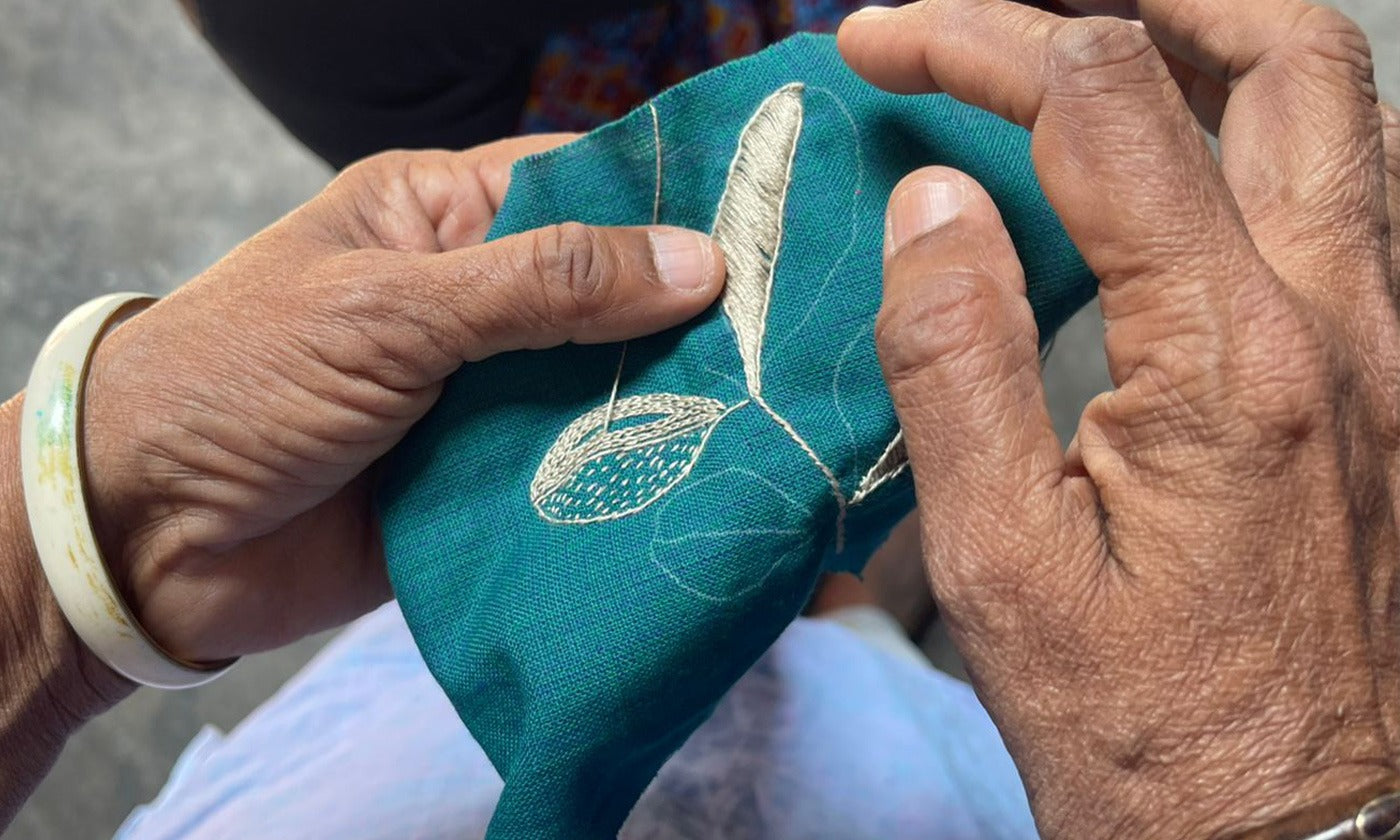
Machine embroidery can reproduce the appearance of hand embroidery efficiently. But the slight variation in tension, the individual rhythm of each stitch, the hours of focused attention — these produce a quality that no machine can manufacture. When you hold a hand-embroidered garment, you are holding intention. The most considered designers in the world continue to work with artisan embroiderers — not for speed or cost, but because the result carries something no shortcut can produce.
"Every stitch is a signature. No machine has ever been able to forge it."
WHAT THIS MEANS FOR OUR CLOTHING
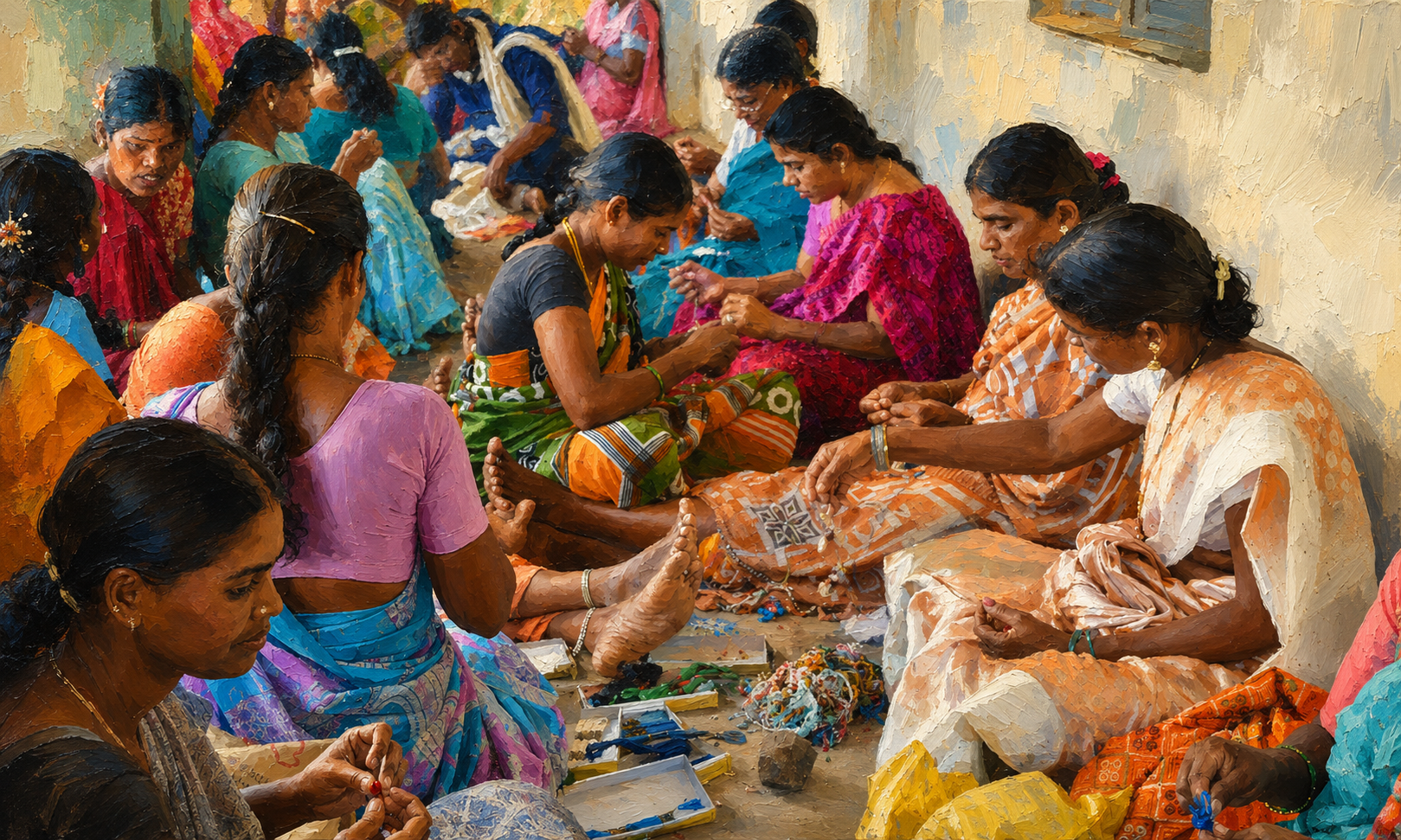
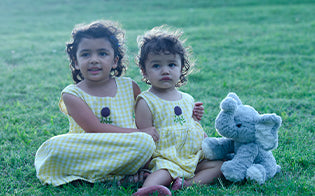
The hand embroidery on every Elephant Days piece comes from Lambadi women artisans of Tamil Nadu, India. It is not an accent or a marketing detail — it is central to what we make. The designs, the stitches, the patterns bring a depth that no machine could produce and no shortcut could replicate.
When you wear it, you are wearing a craft that almost did not survive. Behind it is a community of women keeping their knowledge alive - and you stand with them.
The thread is old. The hands are living. The work continues.
— The Elephant Days